


Is District XXIII (Soroksár) Budapest a Good Area to Buy an Apartment?
District XXIII, known as Soroksár, is Budapest's southernmost district, a mostly residential, garden-suburb area running along the Danube. It suits buyers who want a house with a garden or a quiet family apartment at prices well below the Budapest average, not investors chasing short-term rental yield or a walk-to-everything lifestyle. Prices per square metre typically run 25 to 40 percent below the citywide average, but the commute into the centre takes 30 to 45 minutes by HÉV or tram, and parts of the district sit in the Danube floodplain.
Contents
- Where Soroksár Is and What Its Boundaries Are
- Housing Stock: Building Ages, Sizes and Condition
- Soroksár Prices and Rents, Compared
- Who Buys and Rents Here
- Transport and Amenities
- Pros, Cons and Risks
- Best Pockets and Ones to Avoid
- The Verdict: Who Should Buy Here
- FAQ
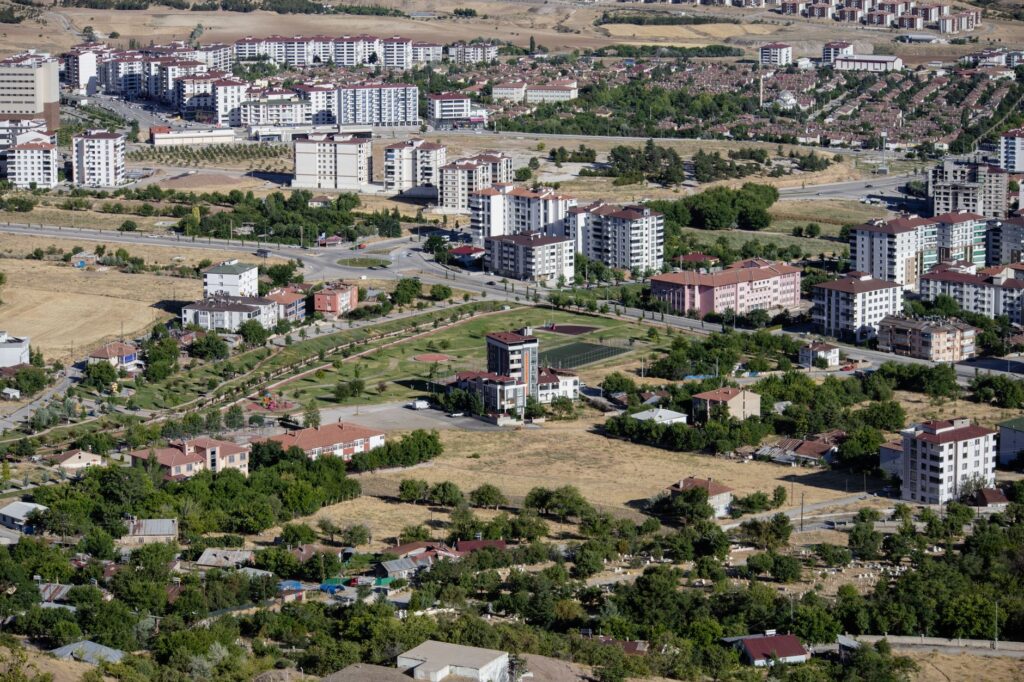
Where Soroksár Is and What Its Boundaries Are
District XXIII sits at the very bottom of Budapest's map, on the Pest side of the Danube. It borders District XX (Pesterzsébet) to the north, runs along the river to the west, and gives way to the agglomeration towns of Dunaharaszti and Szigetszentmiklós to the south. The M0 ring road cuts through its eastern side, which is the main reason the district has attracted logistics and light industrial development over the past two decades.
Soroksár was its own market town before being folded into Budapest in 1950 along with several other outer settlements. It kept its own centre, its own identity, and a reputation built on market gardening: for most of the twentieth century this was where a large share of the city's vegetables and flowers were grown. The Soroksár Botanical Garden, run by Corvinus University, is a leftover of that history and still a genuine local amenity. The district is large in area but low in density. It reads more like a Hungarian small town with a Budapest postcode than an urban neighbourhood.
Housing Stock: Building Ages, Sizes and Condition
The housing mix here is unlike almost anywhere closer to the centre. Four broad categories show up repeatedly:
- Old village-core houses: single-storey houses near the historic centre and the HÉV line, some dating to the nineteenth century, many built or rebuilt by the district's Swabian settler community. Condition varies a great deal, from untouched originals needing full renovation to fully modernised family homes.
- State-era blocks: a modest number of mid-rise panel and brick apartment buildings from the 1960s to 1980s, concentrated around the district centre. Flats here typically run 50 to 75 square metres, with standard Soviet-era lifts where the building has more than four floors.
- Detached and semi-detached houses with gardens: the dominant housing type across most of the district, built in waves from the 1930s onward and still being added to today. Typical sizes run 90 to 160 square metres of living space on plots of 300 to 600 square metres or more.
- New-build condo schemes: small, low-rise developments, usually three to four storeys, built since the 2000s mainly near the centre and along the HÉV corridor, aimed at families wanting more space than an inner-Pest flat gives them for the same money.
Courtyards, which matter so much in District VII or VIII, are mostly irrelevant here because the dominant form is a house with its own garden rather than a shared building block. Heating type is worth checking property by property: some older houses and panel flats still run on individual gas boilers rather than district heating, which affects both running costs and what renovation work is actually needed before move-in.
Soroksár Prices and Rents, Compared
Soroksár sits at the lower end of Budapest's price range, in the same bracket as its neighbours District XX and District XXI. The figures below are indicative only, pulled together from general market positioning rather than a live dataset, and should be checked against current listings before you use them for any decision.
| Area | Typical price per sqm (indicative) | Compared to Budapest average |
|---|---|---|
| Budapest, all districts | EUR 2,600 to 3,400 | Baseline |
| District XXIII (Soroksár), apartments | EUR 1,400 to 2,000 | 25 to 40% below average |
| District XXIII, houses with plot | EUR 150,000 to 320,000 total | Varies heavily by plot size and location |
| District XX (Pesterzsébet) | EUR 1,500 to 2,100 | Similar bracket to XXIII |
| District XXI (Csepel) | EUR 1,400 to 1,900 | Similar bracket to XXIII |
Long-term rent for a one or two-bedroom apartment typically runs HUF 130,000 to 190,000 a month, again indicative and to be confirmed against current ads. Yields are generally in line with other outer districts: steady, unspectacular, and dependent on stable local tenants rather than tourism. For a broader picture of how these numbers sit against the rest of the city, our Budapest property guides cover the other districts in the same format, and our Why to invest in Budapest page sets out the citywide investment case.
Who Buys and Rents Here
The typical buyer in Soroksár is a Hungarian family that has been priced out of districts closer in, such as XI or XIX, and wants a house with a garden rather than a flat without one. First-time buyers and young families make up a large share of demand, along with some retirees looking to downsize from a flat into a quieter setting without leaving Budapest entirely.
Foreign buyer interest is limited compared with central districts, and that is worth being honest about. The buyers who do well here are usually ones planning to live in Budapest long-term themselves, or investors comfortable with modest, stable long-term rental income to local tenants rather than short-stay guests. There is no meaningful student population tied to a local university, and tourist demand is close to zero given the distance from the sights. If your plan involves Airbnb-style short-term letting, this is not the district to build that strategy around.
Transport and Amenities
There is no metro in District XXIII, and that single fact shapes everything else about living here. The main public transport link is the HÉV suburban railway, line H6, which runs from Közvágóhíd near Boráros tér in District IX down through Soroksár to Ráckeve. Depending on which stop you use, the ride into Boráros tér runs roughly 25 to 40 minutes, after which you connect to tram or metro for the rest of your journey into the centre.
Tram 51 covers similar ground and is a slower but more frequent alternative. Bus routes connect to Örs vezér tere and other transfer hubs. By car, Route 51 and the M0 ring road give reasonably fast access outside peak hours, though rush-hour traffic adds noticeably to journey times.
Day to day amenities are fine but limited: local shops, a market, some big-box retail near the M0, schools, parks and the botanical garden. What you will not find much of is restaurants, nightlife or cultural venues within walking distance. This is a district you live in, not one you go out in.
Pros, Cons and Risks
The appeal is straightforward: more space and more garden for the money, in a quiet, low-density setting that still counts as Budapest for residency, schooling and administrative purposes. The M0 connection has also brought genuine economic activity to the eastern side of the district, which supports local employment even if it adds some truck traffic to nearby roads.
The drawbacks are just as straightforward. The commute is long by inner-city standards, there is no metro, and tourist or short-term rental demand is effectively absent. Amenities thin out quickly once you leave the district centre. And a real, specific risk applies to parts of the district: proximity to the Danube floodplain.
The costliest mistake buyers make in Soroksár is skipping the flood zone check. Parts of the district, particularly older sections close to the river and some lower-lying streets, fall within historically flood-prone land. Flood protection infrastructure exists along the Danube, but it does not remove the need to check the official flood zone classification for the specific plot you are buying, and to price in flood insurance before you make an offer. This is a five-minute check that can save a buyer from a five-figure surprise, and it is one most foreign buyers do not think to ask about.
Best Pockets and Ones to Avoid
The historic core around the old village centre and main square has the most charm, good proximity to the HÉV line, and a stronger sense of place than the newer edges of the district. The central shopping and civic area around Hősök tere is the practical heart of the district for day to day life. Newer residential pockets, including the areas known locally as Soroksár-Újtelep, tend to have better-built modern housing stock, including the small new-build condo schemes mentioned earlier.
Be more cautious with streets directly abutting the Danube floodplain and the lowest-lying parts of the old village, for the flood reasons above, and with plots very close to the larger logistics parks on the eastern edge near the M0. Those locations can offer land at a discount, but noise, truck traffic and a weaker residential feel come with it. If you are buying to live in rather than purely to invest, walk the specific street at a weekday rush hour before you commit.
The Verdict: Who Should Buy Here
District XXIII is a good buy for a specific kind of buyer: someone who wants a house with a garden or a spacious, affordably priced apartment, who plans to live in Budapest for the medium to long term, and who is comfortable with a 30 to 45 minute commute by HÉV, tram or car instead of a short walk or metro ride. It is not a good fit for anyone chasing short-term rental yield, anyone who needs to be within walking distance of restaurants and nightlife, or anyone highly risk-averse about flood exposure who has not checked the specific plot's classification first.
If your priority is proximity and rental liquidity, districts closer to the centre will serve you better even at a higher entry price. If your priority is space for the money and you are buying to live or to hold long-term, Soroksár is worth serious consideration. You can browse current stock on our all properties listings, filtered to this district, or get in touch through our contact page for a read on specific streets and buildings before you commit to a viewing trip.
FAQ
Is Soroksár part of Budapest or a separate town?
Soroksár is District XXIII of Budapest, fully incorporated into the city since 1950, though it still operates with its own local centre, market square and district government office. It was an independent town until it was annexed along with several other outer settlements to form the Budapest that exists today.
How far is Soroksár from central Budapest?
By HÉV line H6 to Közvágóhíd or Boráros tér, the journey runs roughly 25 to 40 minutes depending on the stop, after which you connect to tram or metro for the final stretch into the centre. By car via Route 51 or the M0 ring road, expect 25 to 40 minutes outside peak hours, longer during rush hour.
What is the HÉV and how does it connect Soroksár?
HÉV is Budapest's suburban rail network. Line H6, the Ráckeve HÉV, runs between Közvágóhíd in District IX and Ráckeve, stopping through Soroksár along the way. It is the district's main public transport link since there is no metro line, and it connects directly to the tram and metro network at the Boráros tér area.
Are apartments in Soroksár cheaper than central Budapest?
Yes. Indicative figures put Soroksár apartments roughly 25 to 40 percent below the citywide average price per square metre, placing it in a similar bracket to neighbouring Districts XX and XXI. These figures move with the broader market, so confirm current numbers against live listings before relying on them.
Is Soroksár good for rental investment or Airbnb?
Not for short-term or Airbnb-style letting: the district is too far from the city's attractions, and tourist demand is close to zero. Long-term rental to local tenants is realistic and reasonably stable, but yields are modest, in line with other outer-ring districts rather than the stronger returns seen closer to the centre.
Is Soroksár at risk of flooding?
Parts of the district, mainly older sections and lower-lying streets close to the Danube, sit within historically flood-prone land. Flood protection infrastructure exists along the river, but buyers should still check the official flood zone classification for the specific plot and the cost of flood insurance before making an offer.
Is District XXIII mostly houses or apartments?
Houses with private gardens dominate, especially in the newer residential pockets built from the 1930s onward. Alongside them sits a small historic village core of older houses and a more limited number of mid-rise apartment blocks and new-build condo schemes concentrated near the district centre and the HÉV line.
Is District XXIII good for families?
Yes, that is its main appeal: low density, gardens, schools, parks and the Soroksár Botanical Garden, all at a lower price than inner Budapest. The trade-off is a longer commute into the centre and fewer restaurants, shops and cultural venues within walking distance compared with districts closer to downtown.