


Is District XXII (Budafok-Tétény) Budapest a Good Area to Buy an Apartment
District XXII, known as Budafok-Tétény, sits at the southern edge of Buda along the Danube, roughly 20 to 35 minutes from the city center by tram and suburban train. It is one of Budapest's more affordable districts, with prices typically 15 to 30 percent below the city average, and its housing stock runs from historic wine-cellar houses to 1970s panel blocks and new riverside builds. It suits families and budget buyers after space or a garden rather than investors chasing short-term rental yield, since tourist footfall here is low. Confirm current listing prices before committing, since this district moves differently street by street than central Budapest does.
Contents
- Where District XXII is and what it includes
- The housing stock in Budafok-Tétény
- Property prices per square meter
- Who buys and rents here
- Transport and getting around
- Amenities and daily life
- Pros, cons and risks
- Best pockets and ones to avoid
- The verdict
- FAQ
Where District XXII is and what it includes
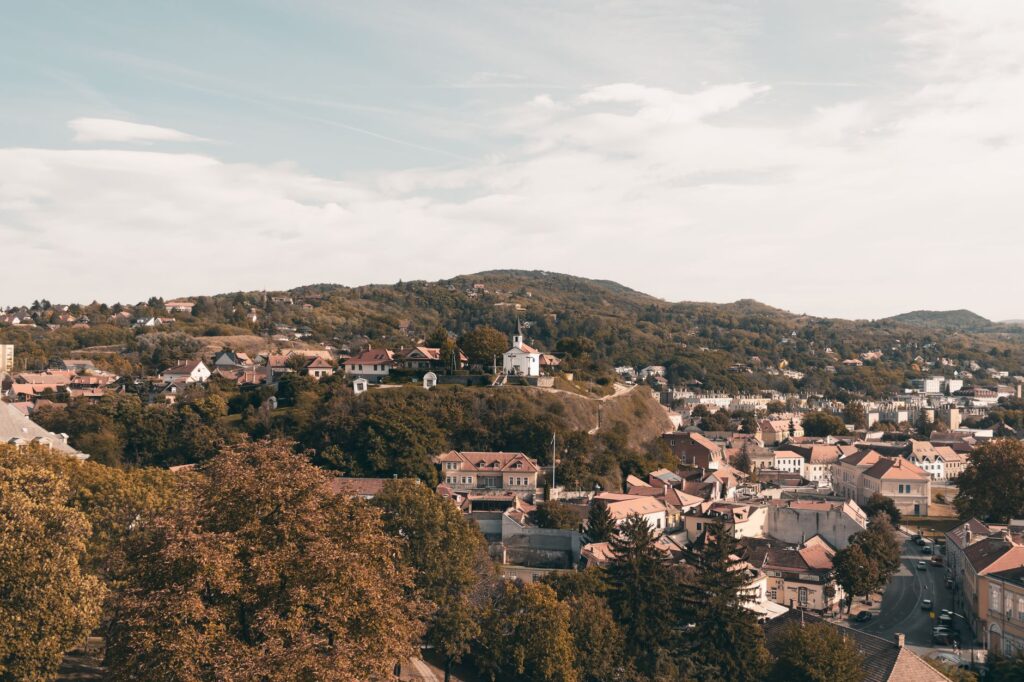
District XXII occupies the southern tip of the Buda side, bordered by District XI to the north and by the Danube to the east, with the town of Diósd and Törökbálint picking up where the Budapest administrative line ends on its southern and western edges. It is a large district by land area but low in density compared with anywhere inside the Grand Boulevard, because most of it is detached houses, not blocks of flats.
Three names matter locally. Budafok is the historic core, built around a network of wine cellars cut into the hillside, with a small, walkable center and the look of a village that got absorbed into the city rather than built as part of it. Nagytétény sits further south, quieter again, with its own old center and a Baroque castle now used as a museum. Kistétény and the newer residential pockets near the Danube and near Campona shopping center fill in the rest, mixing older houses with newer condominium developments from the last two decades.
The housing stock in Budafok-Tétény
This is a district of houses more than apartment blocks, which changes the whole buying calculation compared with Districts V, VI or VII. In the Budafok and Nagytétény old centers you find detached family houses and village-style row houses, many from the early to mid 20th century or earlier, some converted or extended since. Lot sizes are generous by Budapest standards and gardens are common.
Where apartment buildings do exist, they fall into two groups. The older stock near the wine cellar district and along the main roads includes small, low-rise condominiums built between the two world wars and through the mid-century, generally without a lift, with two to four units per floor and smaller room counts than you would see in a newer build. The second group is panel and brick-block housing from the 1970s and 1980s, concentrated around the Campona and Erzsébet liget area, which does have lifts, district heating, and larger but less flexible floor plans. Since the early 2000s a scattering of new-build condominiums has gone up near the Danube bank and along the main access roads, generally in the four to six storey range, with underground parking and individual gas heating or heat pumps rather than district heating.
Flat sizes skew larger here than in the inner districts. A two-bedroom in Budafok will often run 65 to 85 square meters against 50 to 65 in a comparable inner-Pest building, because land has never been as constrained here.
Budapest district XXII property prices per square meter
Treat every figure below as indicative. Budapest pricing moves street by street and building by building, and the gap between a renovated villa-style house and a tired 1970s panel flat two streets away can be 40 percent or more. Always check current listings or ask an agent working the specific street before you anchor on a number.
| Area | Typical range (HUF/m²) | Versus Budapest average |
|---|---|---|
| Budapest city average (all districts) | 700,000 to 950,000 | baseline |
| District XXII, panel and older blocks | 450,000 to 600,000 | roughly 25 to 35% below average |
| District XXII, new-build condominiums | 650,000 to 850,000 | roughly 10 to 20% below average |
| District XXII, village houses (per m² of house, land priced separately) | 500,000 to 750,000 | varies widely by lot size |
| District XI (neighboring, for comparison) | 800,000 to 1,100,000 | above average |
Rents follow the same pattern: a two-bedroom panel flat near Campona might let for a figure well under what the same size would command in District XIII or near the Danube in District IX, because the tenant pool here is mostly local families and students at nearby campuses rather than young professionals or tourists. For a district-by-district comparison across the city, our Budapest property guides cover pricing in the more central districts side by side.
Who buys and rents in District XXII
The buyer profile here is overwhelmingly local and overwhelmingly family-driven: people trading a smaller Pest-side flat for a house with a garden, often with school catchment as a deciding factor, or downsizing retirees who want quiet and lower running costs. Foreign buyers are a minority, and the ones who do buy here tend to be people relocating for work with families rather than investors building a portfolio.
Renters are mostly local, drawn by lower rents and more space rather than by proximity to nightlife or the center. There is no meaningful short-term or tourist rental demand in most of the district, because there is little reason for a visitor to stay here over a central location, with the partial exception of the wine cellar area around Budafok, which draws some weekend visitors but not at a scale that supports a serious Airbnb business.
Transport and getting around District XXII
There is no metro line in District XXII, which is the first thing to accept before buying here. The two workhorses are tram line 41, which runs through Budafok up toward Kelenföld where it connects to the M4 metro line, and the suburban rail line (the Budapest to Székesfehérvár line) with stops at Budafok, Háros and Nagytétény-Diósd, feeding into Kelenföld station and on to the city center. Several bus routes fill in the rest, connecting the Nagytétény and Kistétény neighborhoods to Kelenföld and to Campona.
In practice this means a commute of 25 to 40 minutes to central Pest depending on exactly where you live and which service you catch, longer than from an inner district but shorter than from most of the Buda hills. If you drive, the M6/M7 motorway access near the southern edge of the district is a genuine advantage for anyone working outside the city or heading to the airport, though the same road access brings traffic noise to the properties closest to it.
Amenities and daily life
Campona shopping center anchors day-to-day retail for most of the district, with the usual supermarket, chain store and cinema mix. Budafok's old center has a smaller, more local commercial strip, plus the wine cellars themselves, which function as a minor tourist draw and give the area a genuine identity that most outer districts lack. Nagytétény's castle museum and surrounding park add some cultural weight to the southern end.
Schools and green space are the district's strongest selling points. Families moving here are usually trading a shorter commute for a garden, a quieter street and a school within walking distance, and for that trade this is one of the better value districts in the city.
Pros, cons and risks of buying in Budafok-Tétény
The case for buying here rests on space for money: more square meters, more land, lower prices per square meter than almost anywhere closer to the center, and a genuinely quieter daily life. The case against rests on exactly the same trade-off working in reverse if your priority is rental yield or walkable city life.
- No metro access means every commute involves a transfer, which matters more to a tenant market than to an owner-occupier.
- Industrial and Danube-bank pockets near Háros and the river have historically included light industry and warehousing; check the immediate surroundings of any riverside property rather than assuming it is purely residential.
- Flood exposure along the lowest-lying Danube-adjacent streets is a real consideration in parts of Budapest; ask specifically about flood protection status for any property close to the river rather than assuming the whole district carries the same risk.
- Heating type varies by building, individual gas in most houses and newer builds, district heating in the 1970s and 1980s panel stock, which affects both running costs and whether you can control your own bill.
- Short-term rental demand is weak here compared with central Budapest, and Budapest's rules on short-term letting have been tightening district by district in recent years, so anyone buying specifically for Airbnb income should confirm both the current regulatory status and the realistic occupancy rate before assuming city-center numbers apply.
The most expensive mistake buyers make here: buying a Budafok or Nagytétény property on the assumption it will perform like a central Budapest short-term rental, then discovering the realistic tenant pool is long-term local families at local rents. Decide before you buy whether you want yield or a home, because District XXII rewards the second far more than the first.
Best pockets and ones to avoid
The old Budafok center around the wine cellar streets and the area close to Nagytétény's castle park are the most pleasant parts of the district, with genuine character, walkable local amenities and the best resale liquidity if you ever sell. Streets within easy reach of the tram 41 line or the suburban rail stops also hold their value better, simply because the commute penalty is smaller.
Be more careful about properties directly on the main access roads feeding the M6/M7, where traffic noise is constant, and about anything immediately adjacent to the Danube-bank industrial strip near Háros, where you want to physically check the surroundings and ask the seller directly about flood protection and any industrial neighbors before making an offer. As with any district, walk the actual street at different times of day before committing, since a quiet daytime visit can hide an evening traffic or noise problem.
Is District XXII a good place to buy an apartment: the verdict
For a family or a budget-conscious buyer who wants more space, a garden, and a genuinely quieter daily life, and who does not need a metro at the doorstep, District XXII is a sound buy and one of the better value districts in Budapest on a price-per-square-meter basis. For an investor focused on short-term rental yield or on buyers who want to be walking distance from central nightlife and the main sights, it is the wrong district, full stop, and you should look instead at the districts covered in our why to invest in Budapest guide, which breaks down where rental demand concentrates.
If District XXII fits your plan, our team can walk you through current stock in Budafok and Nagytétény specifically, including which buildings have lifts, which have district heating, and which streets carry flood or noise exposure. Browse current listings on our for sale page, or get in touch through our contact page to discuss the district against your specific goals before you start viewing.
FAQ
Is District XXII Budapest safe?
District XXII is generally considered a quiet, low-crime district, closer in character to a suburb than an inner city neighborhood. Its mostly residential, house-heavy layout and lower density mean less of the street-level activity, both positive and negative, that you get in the nightlife-heavy inner districts. As with anywhere, ask locally about the specific street you are considering before buying.
Where exactly is District XXII in Budapest?
District XXII, Budafok-Tétény, sits at the southern end of the Buda side, along the Danube, bordered by District XI to the north and by the towns of Diósd and Törökbálint outside the Budapest city line to the south and west. It includes the historic Budafok wine cellar area, Nagytétény with its castle museum, and Kistétény.
Does District XXII have a metro station?
No, District XXII has no metro line. Residents reach the metro network by tram line 41 or suburban rail to Kelenföld station, which connects to the M4 line. Commute times to central Budapest typically run 25 to 40 minutes depending on the exact starting point and the connection used.
Are apartment prices in District XXII cheaper than the Budapest average?
Yes. Indicative figures put District XXII roughly 15 to 35 percent below the Budapest city average per square meter, depending on whether the property is an older panel flat, a village house, or a newer riverside condominium. Always confirm current figures against live listings, since pricing varies significantly street by street within the district.
Can I rent out a District XXII apartment short term to tourists?
Technically it depends on the building and on current Budapest short-term rental regulations, which have been tightening district by district in recent years and should be confirmed locally before you buy. Even where permitted, realistic tourist demand in District XXII is low outside the small wine cellar tourism pocket in Budafok, so most owners here rent long term to local tenants instead.
What type of heating do District XXII properties use?
It varies by building type. Most houses and newer condominium builds use individual gas heating or, increasingly, heat pumps. The 1970s and 1980s panel apartment blocks near Campona typically use district heating. Always confirm the heating type and the building's energy certificate before buying, since it directly affects your monthly running costs.
Is District XXII good for families?
Yes, this is one of District XXII's clearest strengths. The combination of detached houses with gardens, larger flat sizes, local schools within walking distance, and a quieter pace of life makes it a popular choice for families trading commute time for space, particularly those moving from smaller central Pest apartments who want more room for the same or less money.
Which other Budapest districts are similar to District XXII?
District XI, to the immediate north, shares some of the same southern Buda character but is denser, closer to the center, and priced noticeably higher. For buyers who want the District XXII trade-off of space for price but with better transport links, it is worth comparing listings across districts directly through our all properties page or speaking with our agency team about alternatives.