Best Areas for Short-Term Rental Investment in Budapest (Airbnb Guide)

Where to buy a Budapest Airbnb in 2026: top STR districts, expected occupancy, ADR, regulations, and how to maximise return after the new rules.

Best Areas for Short-Term Rental Investment in Budapest (Airbnb Guide)

The best Budapest districts for short term rental investment in 2026 are District 5 (steady premium ADR), District 6 (Andrassy Avenue and Opera tourism), and District 7 (the Jewish Quarter and ruin bars, highest occupancy). New short term rental regulations introduced by the City of Budapest in 2025 and 2026 require investors to confirm building level eligibility before buying. Below is the realistic 2026 landscape.

Understanding the 2025 to 2026 Regulation Changes

The City of Budapest introduced district level restrictions on short term rental in late 2024 and through 2025. The rules vary by district. The headline points:

A condominium (társasház) can vote by simple majority to ban short term rental in the building.

Some districts (notably District 7) have introduced quota systems limiting the total number of registered STR units.

Hosts must register the property, hold a tax number, pay tourist tax and submit monthly guest data to the NTAK system.

The rules continue to evolve. Always confirm the current building level and district level position with your lawyer before purchasing for STR.

District 5: Premium and Safe

Belvaros and Lipotvaros offer the highest average daily rates and the most resilient demand from corporate, diplomatic and high end leisure tourists.

Typical ADR: 100 to 180 EUR depending on size and quality. Occupancy: 70 to 80 percent year round. Gross yield: 6 to 8 percent.

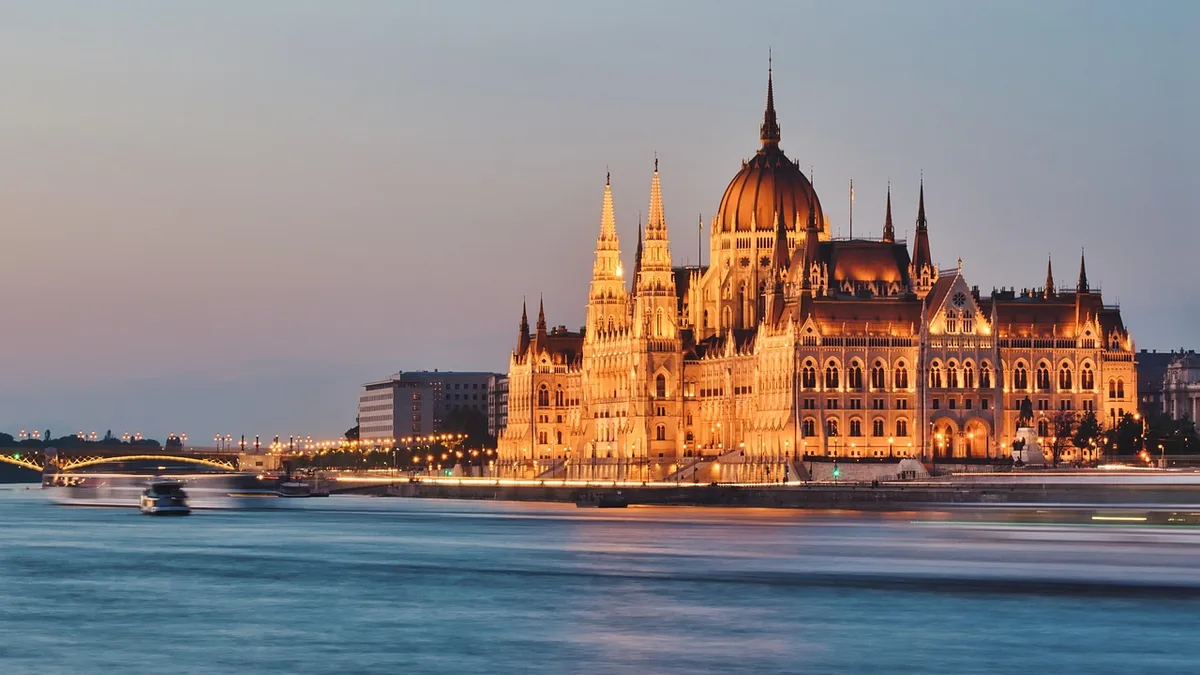
Best for premium one and two bedroom apartments near Parliament, the Basilica or Vorosmarty Square. Lower regulatory risk than District 7.

District 6: Andrassy and Opera

Terezvaros tourism is anchored by Andrassy Avenue, the Opera House, Heroes' Square and the City Park (with Szechenyi Baths).

Typical ADR: 80 to 140 EUR. Occupancy: 70 to 80 percent. Gross yield: 5.5 to 7.5 percent.

Best near metro line one (the historic yellow line) for transport convenience for guests.

District 7: Highest Yields, Highest Regulatory Risk

The Jewish Quarter (Erzsebetvaros) and the ruin bar scene have made District 7 the most rented area in Budapest. Yields can be the highest in the city.

Typical ADR: 80 to 150 EUR. Occupancy: 75 to 85 percent in legal STR units. Gross yield (where allowed): 7 to 9 percent.

However, District 7 has been the most aggressive on STR restrictions. The risk of new building level or district level bans is highest here. Only buy here for STR if you have legal confirmation that the specific building permits short term rental.

District 8 (Palace Quarter): Emerging

The Palace Quarter sub area of District 8, around the National Museum and Pollack Mihaly Square, is increasingly popular with travellers seeking quieter, more historic stays.

Typical ADR: 70 to 110 EUR. Occupancy: 65 to 75 percent. Gross yield: 5.5 to 7 percent.

Best for value seekers willing to be slightly off the prime tourist axis.

What Makes a Great STR Apartment

Location within five to ten minutes walk of metro line one, two, three or four.

Quiet rear courtyard or higher floor (above the second) to reduce street noise complaints.

Lift access, especially for guests with luggage. Many old Budapest buildings have no lift.

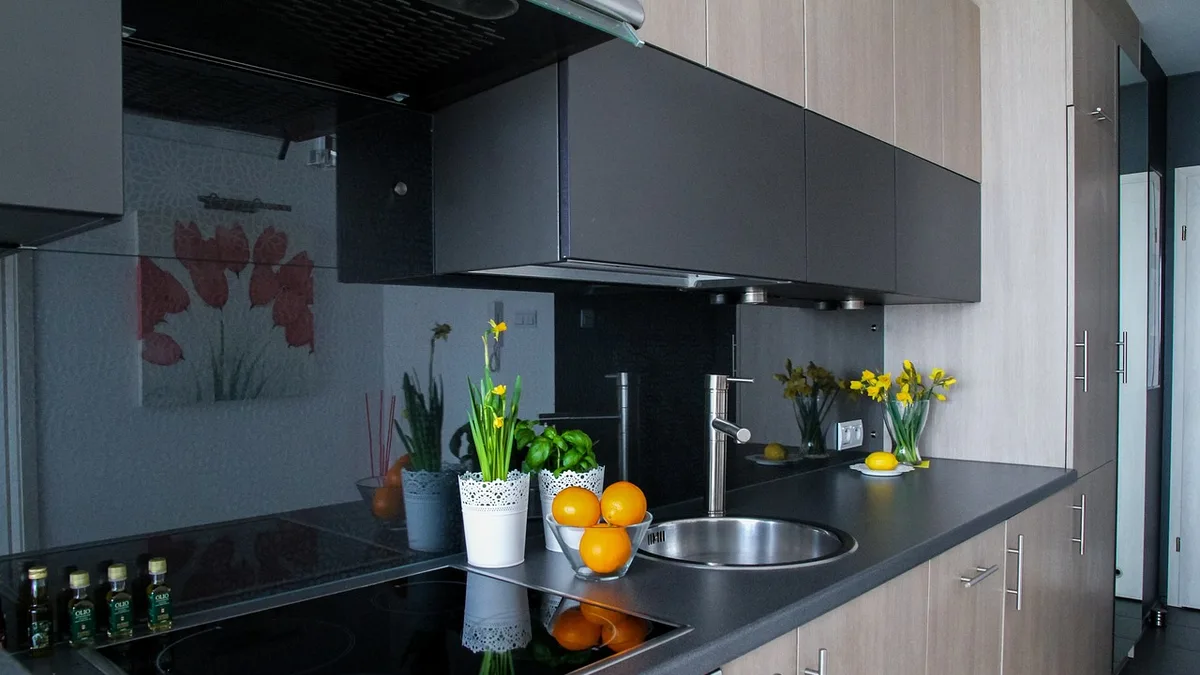
Modern kitchen and bathroom. Travellers expect contemporary amenities even in historic buildings.

Air conditioning. Increasingly expected during Budapest's warm summers.

Strong wifi, smart lock, and a clear guest information pack.

Realistic Cost Structure for an Airbnb Operation

Cleaning per turnover: 25 to 45 EUR. Linens replacement: 200 to 400 EUR per year. Consumables (coffee, toiletries, paper goods): 30 to 60 EUR per month. Platform fees: 3 to 15 percent depending on Airbnb pricing tier and booking source. Management agency (if used): 15 to 25 percent of net revenue. Annual fixed costs (common charges, utilities, internet, tourist tax): 1,800 to 3,200 EUR.

Tax Treatment for Short Term Rental Income

Most foreign STR hosts in Hungary fall into one of two tax regimes.

Flat rate fizetővendéglátás: a small simplified annual tax based on a fixed amount per room. Suitable for very small operators.

KATA or standard fifteen percent on net profit: more common for larger operators with multiple units or significant revenue.

A local accountant is essential. Expect 400 to 1,000 EUR per year in accountant fees for STR property tax filing.

Frequently Asked Questions

Can I still buy an Airbnb apartment in Budapest in 2026? Yes, in most areas. Always confirm the building's current STR rules through a Hungarian lawyer before buying for that purpose.

What is the average Airbnb income in Budapest? A typical well located one bedroom in District 6 or 7 generates 1,500 to 2,500 EUR per month gross, before costs.

How much should I budget for STR setup? Beyond the purchase, expect 5,000 to 12,000 EUR for furnishing, photography, listing setup and initial inventory.

Do I need a Hungarian company to run an Airbnb? No, individuals can operate STR as private hosts under several Hungarian tax regimes.

Want STR Building Eligibility Confirmed?

Before you make an offer on any Budapest apartment intended for short term rental, contact our team. We will check the building's current STR status, confirm the district level rules, and run a realistic income projection. Contact Buy Budapest Apartments today.

Ready to Buy an Apartment in Budapest?

Talk to our Budapest-based bilingual team. We will help you find the right apartment, handle the foreign buyer permit, and guide you through every legal step from viewing to keys in hand.

Contact Our Team Today

Or browse our current Budapest property listings

How to Buy Budapest Property with a Mortgage as a Foreigner

Hungarian mortgage rules for foreign buyers in 2026: deposit requirements, interest rates, banks, documents needed, and step by step process.

How to Buy Budapest Property with a Mortgage as a Foreigner

Foreign buyers can obtain a Hungarian mortgage to purchase property in Budapest in 2026, but the rules are stricter than for Hungarian residents. Expect a minimum forty percent deposit, interest rates between six and eight percent for fixed term euro mortgages, and a six to ten week processing time. EU citizens with EU income enjoy somewhat easier terms than non-EU buyers. Below are the realistic options.

Who Can Get a Hungarian Mortgage

EU and EEA citizens with stable income from any EU country can usually qualify with a thirty to forty percent deposit. Income is typically required to be at least two and a half times the monthly mortgage payment.

Non-EU citizens (Americans, British, Canadians, Australians, Middle East, Asia) need a higher deposit, usually fifty percent, and must show stable foreign income or significant Hungarian based assets.

Hungarian residents with at least one year of Hungarian employment or business income get the best terms, including up to eighty percent loan to value at the lowest rates.

Banks That Lend to Foreigners

The main Hungarian banks that have foreign lending programmes in 2026 include OTP Bank (the largest), K&H Bank (part of KBC Group), Erste Bank Hungary (part of Erste Group), UniCredit Bank Hungary, and CIB Bank (part of Intesa Sanpaolo).

The two best banks for foreign buyers are typically Erste and UniCredit, because they are part of large Western European banking groups and have experience with cross border lending.

Interest Rates and Loan Terms

Forint denominated mortgages: typical rate seven to nine percent fixed for the first five to ten years, then variable. Higher risk for euro earning buyers due to forint currency exposure.

Euro denominated mortgages: typical rate six to eight percent fixed. Less currency risk if you earn in euros. Most foreign buyers prefer this option.

Loan term: typically up to twenty five years, with the loan having to be fully repaid by the borrower's seventy fifth birthday.

Maximum loan to value: thirty to fifty percent for non-resident foreigners, sixty to eighty percent for Hungarian residents.

Documents Required

Personal documents Valid passport Hungarian tax number (free, obtained at NAV) Address card or proof of residence in your home country Marital status documents

Income documents Last twelve months of salary slips Last two years of tax returns (in your home country) Last six to twelve months of bank statements If self employed, audited business accounts

Property documents Sale and purchase contract (preliminary or final) Property title sheet (tulajdoni lap) Property energy certificate Bank appraisal report (the bank arranges this)

Step by Step Mortgage Process

First, contact the bank's international lending desk and provide a complete document pack. The bank conducts a pre-assessment, typically taking three to five business days, and issues a non-binding indication of borrowing capacity.

Second, you select a property and provide the sale contract. The bank orders a property appraisal (eighty to one hundred fifty euros, paid by the buyer).

Third, the bank's credit committee reviews the full file. Approval typically takes two to four weeks for foreign applicants.

Fourth, the bank issues a binding mortgage offer with all final terms. You and your lawyer review the loan contract.

Fifth, on closing day, the mortgage is registered on the property title, the bank disburses the loan funds, and the seller is paid.

Typical Costs

Mortgage arrangement fee: 0.5 to 1.5 percent of the loan amount, often capped. Appraisal fee: 80 to 150 EUR. Notary fee for mortgage registration: approximately 0.5 percent of the loan amount. Optional life or property insurance: depends on policy.

Tips for Foreign Mortgage Applicants

Apply through an English speaking mortgage broker. They have relationships with multiple banks and can shop your file to find the best terms.

Show clean, verifiable income. Hungarian banks are conservative. Stable salaried income from a recognised employer is the easiest profile to approve.

Have your deposit ready in a Hungarian bank account before applying. Banks like to see the funds already on hand in HUF or EUR.

Open a Hungarian bank account early in the process. You will need one for mortgage payments anyway.

Frequently Asked Questions

Can I get a mortgage as a non-resident foreigner? Yes, but expect fifty percent deposit and stricter income checks.

Is it better to get a forint or euro mortgage? If your income is in euros, take the euro mortgage to avoid currency risk.

How long does the mortgage process take? Six to ten weeks from application to closing for foreign buyers.

What credit history do Hungarian banks use? Banks rely primarily on your home country credit history (where possible) and your income documents. Hungary has its own credit bureau but it does not record foreign borrowers.

Need Help With Mortgage Pre-Approval?

We work with English speaking mortgage brokers and lawyers who specialise in foreign buyers. Contact Buy Budapest Apartments for a pre-approval introduction before you start property hunting.

Ready to Buy an Apartment in Budapest?

Talk to our Budapest-based bilingual team. We will help you find the right apartment, handle the foreign buyer permit, and guide you through every legal step from viewing to keys in hand.

Contact Our Team Today

Or browse our current Budapest property listings

Rental Yields in Budapest by District: Where to Invest for Maximum Return

Gross and net rental yields by Budapest district in 2026, with realistic monthly rent estimates and break even analysis for investors.

Rental Yields in Budapest by District: Where to Invest for Maximum Return

Average gross rental yields in Budapest range from three percent in premium Buda residential areas to over seven percent in central Pest districts focused on short term rental. The highest gross yields in 2026 are in District 7 (Erzsebetvaros) for short term rental, District 8 (Jozsefvaros) for long term student and young professional rental, and District 9 (Ferencvaros) for new build long term rentals. Below is a district by district breakdown.

How to Read These Yield Numbers

Gross rental yield is annual rent divided by purchase price, expressed as a percentage. It does not deduct costs.

Net rental yield deducts management, vacancy, maintenance, common charges, and tax. Budapest net yields are typically gross yield minus one to two percentage points.

All numbers below assume the apartment is in good rentable condition and represent realistic 2026 market levels.

District by District Yields

District 5 (Belvaros, Lipotvaros) Average purchase price per sqm: 3,500 to 5,000 EUR Long term rent for a 50 sqm 1-bedroom: 900 to 1,300 EUR per month Gross yield: 3.5 to 4.5 percent Best for: capital preservation, diplomatic and corporate tenants

District 6 (Terezvaros, Andrassy) Average purchase price per sqm: 2,700 to 4,000 EUR Long term rent for a 50 sqm 1-bedroom: 800 to 1,200 EUR per month Short term ADR (average daily rate): 80 to 130 EUR with 70 to 80 percent occupancy Gross yield long term: 4.5 to 5.5 percent Gross yield short term: 6 to 8 percent Best for: balanced investors who want culture, nightlife and rentability

District 7 (Erzsebetvaros, Jewish Quarter) Average purchase price per sqm: 2,400 to 3,500 EUR Long term rent for a 50 sqm 1-bedroom: 750 to 1,100 EUR per month Short term ADR: 80 to 140 EUR with 75 to 85 percent occupancy Gross yield long term: 5 to 6.5 percent Gross yield short term: 6.5 to 8 percent (subject to current STR rules) Best for: short term rental investors, party tourism market

District 8 (Jozsefvaros) Average purchase price per sqm: 1,800 to 3,000 EUR Long term rent for a 50 sqm 1-bedroom: 650 to 950 EUR per month Gross yield: 5.5 to 7 percent Best for: value investors, student rental near universities, longer term capital appreciation

District 9 (Ferencvaros, new builds) Average purchase price per sqm: 2,200 to 3,500 EUR for new builds Long term rent for a 50 sqm 1-bedroom in a new build: 800 to 1,100 EUR per month Gross yield: 4.5 to 6 percent Best for: modern living tenants, lower maintenance, easier rentability

District 13 (Ujlipotvaros, riverside) Average purchase price per sqm: 2,500 to 3,800 EUR Long term rent for a 50 sqm 1-bedroom: 800 to 1,100 EUR per month Gross yield: 3.5 to 4.5 percent Best for: low turnover family or expat tenants, lowest vacancy rate in the city

Buda Districts 1, 2, 11, 12 Average purchase price per sqm: 2,000 to 4,500 EUR Long term rent for a 60 sqm 2-bedroom: 900 to 1,300 EUR per month Gross yield: 2.5 to 3.5 percent Best for: family rentals, low turnover, capital appreciation rather than yield

Short Term Versus Long Term Rental Strategy

Long term rental (six month plus tenancy) gives steady predictable income, low management overhead, low vacancy, and tax simplicity. Typical yields are four to six percent gross.

Short term rental (nightly via Airbnb, Booking.com) can boost yields to six to eight percent gross but requires active management or a management agency (which takes fifteen to twenty five percent of revenue), licensing compliance, and is subject to district by district restrictions introduced in Budapest in 2025 and 2026.

For most foreign investors, long term rental delivers a better risk adjusted return after considering the management hassle and regulatory exposure of short term rental.

Realistic Net Yield Example

A 50 sqm apartment in District 7 purchased for 130,000 EUR, renovated for 15,000 EUR, total cost 145,000 EUR.

Long term rent: 850 EUR per month, annual gross 10,200 EUR.

Annual costs: common charges 700 EUR, vacancy and management 1,000 EUR, insurance 200 EUR, maintenance reserve 600 EUR. Total 2,500 EUR.

Net rental income before tax: 7,700 EUR.

Hungarian tax (15 percent flat): around 1,150 EUR.

Net after tax: 6,550 EUR. Net yield: 4.5 percent.

Frequently Asked Questions

What is the realistic net yield in Budapest? Long term rental net yields are typically three to five percent after all costs and tax.

Are short term rentals still allowed in Budapest? Yes in most areas, but the City of Budapest tightened rules in 2025 and 2026. Always confirm the building's current status before buying for STR.

What rental yield should I aim for? Five to six percent gross is healthy for Budapest. Above seven percent usually means higher risk (location, condition or regulatory).

Should I buy renovated or unrenovated? Renovated apartments rent faster and command higher rates. Unrenovated offers more upside but requires capex, time and project management.

Want a Yield Estimate for a Specific Apartment?

Send us the address or listing link and we will run a full rental yield analysis, including expected monthly rent, costs, taxes and net return. Contact Buy Budapest Apartments today.

Ready to Buy an Apartment in Budapest?

Talk to our Budapest-based bilingual team. We will help you find the right apartment, handle the foreign buyer permit, and guide you through every legal step from viewing to keys in hand.

Contact Our Team Today

Or browse our current Budapest property listings

How to Get a Hungarian Residence Permit by Investing in Property

How the new Hungary Guest Investor Visa works in 2026: investment options, costs, family inclusion, processing time, and the property route.

How to Get a Hungarian Residence Permit by Investing in Property

Hungary launched the Guest Investor Visa (Vendégbefektetői Vízum) in 2024, giving non-EU citizens a ten year renewable residence permit in exchange for a qualifying investment of two hundred fifty thousand euros into a registered Hungarian real estate fund, or five hundred thousand euros into the direct purchase of a residential property meeting specific criteria, or one million euros donated to a Hungarian university. The most popular route is the two hundred fifty thousand euro real estate fund. Below is exactly how it works in 2026.

What the Guest Investor Visa Gives You

The visa is a long term residence permit valid for ten years, renewable once for a further ten years (twenty years total).

It allows you to live in Hungary indefinitely, travel visa free throughout the Schengen Zone, include your spouse and dependent children, and apply for permanent residency after the qualifying period under standard EU rules.

It does NOT give Hungarian citizenship directly. Citizenship can be applied for separately after eight years of legal residence with sufficient Hungarian language ability, but the visa itself is a residence status, not a citizenship route.

The Three Qualifying Investment Routes

Route One: Real Estate Fund. Invest at least two hundred fifty thousand euros in a Hungarian real estate fund registered for the programme. The investment must be held for at least five years. This is the most popular route because it is passive (no property management) and the threshold is lowest.

Route Two: Direct Residential Property. Purchase residential property worth at least five hundred thousand euros in Hungary. The property must be in your personal name (not a company), must be registered residential, and must be held for at least five years. You can live in it or rent it.

Route Three: University Donation. Donate at least one million euros to a Hungarian higher education institution for research and education purposes. Rarely used due to the higher amount.

Why the Real Estate Fund Route Is Most Popular

The fund route requires the lowest capital, generates a small expected annual return (typically two to four percent), is fully passive, and qualifies the entire family.

The direct property route requires double the capital but lets you own and use the property yourself. Many investors who would buy Budapest property anyway use this route to combine residency with a real estate asset they would acquire regardless.

Step by Step Application Process

First, you apply for the Guest Investor Visa at a Hungarian consulate in your country of residence. The initial visa is valid for six months, single entry, with the purpose of completing the investment.

Second, you enter Hungary on this visa, complete the qualifying investment, and obtain proof of the investment (fund certificate or property title).

Third, you apply at the Hungarian National Directorate-General for Aliens Policing for the ten year Guest Investor residence permit. Processing takes approximately three to six weeks.

Fourth, you receive the residence card. Your spouse and dependent children apply for derivative residence permits at the same time.

Costs and Timeline

The investment itself: two hundred fifty thousand euros minimum (real estate fund route).

Government application fees: approximately one thousand euros for the main applicant, three to five hundred euros per family member.

Legal and processing fees: typically three to seven thousand euros depending on the law firm.

Total time from first application to card in hand: typically four to six months.

Family Inclusion

The visa covers the main applicant, their spouse or registered partner, and dependent children under eighteen. Children eighteen to twenty five can be included if they are in full time education and financially dependent.

Parents of the main applicant or spouse can also be included if they are financially dependent.

What You Cannot Do With the Visa

You cannot work as an employee in Hungary without obtaining a separate work permit. The Guest Investor Visa is a residence permit, not a work permit. Most applicants are passive investors, remote workers or business owners outside Hungary.

You cannot withdraw the qualifying investment for at least five years without losing the residence status.

Comparison to Other European Golden Visa Programmes

Hungary's two hundred fifty thousand euro entry point is significantly cheaper than Greece (now two hundred fifty to eight hundred thousand depending on area), Portugal (five hundred thousand fund minimum, residential property route closed), and Spain (suspended in 2025).

Hungary also offers the longest validity (ten years renewable) of any current European programme.

Frequently Asked Questions

Can I get Hungarian citizenship through the Guest Investor Visa? Not automatically. You can apply for citizenship after eight years of legal residence with Hungarian language ability.

Does the visa give Schengen access? Yes, it includes visa free travel throughout the Schengen Zone for up to ninety days in any one hundred eighty day period.

Can I sell the property after the five year holding period? Yes, after five years you can dispose of the qualifying investment without losing the residence permit.

Can I rent out the property if I choose the direct property route? Yes, rental income is allowed and taxed at the standard fifteen percent flat rate.

Need Help With Your Application?

Our team works with leading Hungarian immigration lawyers who specialise in the Guest Investor Visa. Contact us for an introduction and a complete cost and timeline plan for your situation.

Ready to Buy an Apartment in Budapest?

Talk to our Budapest-based bilingual team. We will help you find the right apartment, handle the foreign buyer permit, and guide you through every legal step from viewing to keys in hand.

Contact Our Team Today

Or browse our current Budapest property listings

Budapest Property Buying Costs and Taxes: Total Fees Explained

Exactly how much extra you will pay on top of the purchase price when buying property in Budapest in 2026, with worked examples for a 300,000 EUR flat.

Budapest Property Buying Costs and Taxes: Total Fees Explained

Total buyer costs when purchasing property in Budapest in 2026 are typically five to six and a half percent of the purchase price for EU buyers, and six to seven and a half percent for non-EU buyers. On a three hundred thousand euro apartment, expect to budget fifteen to twenty three thousand euros in transaction costs on top of the price.

Property Transfer Tax (Illeték)

The largest single cost. Hungary charges four percent on the purchase price for residential property up to one billion forints (around two and a half million euros). Above that threshold the rate steps up but very few residential purchases reach this level.

On a three hundred thousand euro apartment, transfer tax is twelve thousand euros.

The buyer pays this tax to the Hungarian tax authority (NAV) within sixty days of registration. There are reduced rates for first time Hungarian resident buyers under thirty five, but foreign buyers typically pay the full four percent.

Lawyer Fees

Every property transaction in Hungary requires a qualified Hungarian property lawyer (ügyvéd) to draft and countersign the contracts. The seller's lawyer cannot represent the buyer, so a buyer must hire their own.

Typical fee is one percent of the purchase price plus twenty seven percent VAT, with a minimum that usually sits between one thousand and one thousand five hundred euros.

On a three hundred thousand euro apartment, lawyer fees are around three thousand eight hundred euros including VAT.

Foreign Buyer Permit (Non-EU Only)

Non-EU buyers (Americans, British, citizens of the Middle East, Asia, Latin America and similar) pay a fifty thousand forint government fee (about one hundred thirty euros) for the permit. The lawyer typically handles the paperwork as part of the standard fee.

Land Registry Fee

A flat six thousand six hundred forint fee (about eighteen euros) to register the new owner at the national land registry.

Translator and Notary Costs

If you do not speak Hungarian, the contract must be presented in your language. Most Budapest property lawyers provide bilingual English and Hungarian contracts at no extra cost.

If you cannot attend the signing in person, you grant your lawyer a power of attorney. The power of attorney must be notarised in your home country and apostilled. Allow two to four hundred euros for this depending on your country.

Mortgage Costs (If Financing)

If you take a Hungarian mortgage, expect to pay a bank arrangement fee of around one percent of the loan, an appraisal fee (eighty to one hundred fifty euros), and notary fees for registering the mortgage lien (around half a percent of the loan amount).

Cash buyers skip all of these.

Ongoing Annual Costs

After the purchase, expect the following annual outgoings.

Building common charges (közös költség): typically forty to ninety euros per month for an average apartment, covering cleaning, lift, building maintenance and the building's reserve fund.

Property tax (építményadó). Budapest does NOT charge a recurring annual property tax for residential properties, unlike some other European cities. Only commercial properties and certain large residential units pay this.

Utilities (electricity, gas, water, internet) average sixty to one hundred fifty euros per month for a small to medium apartment.

Income tax on rental income. Fifteen percent flat rate on net rental profit for individuals. With a double taxation treaty between your country and Hungary, the tax paid in Hungary is typically credited against tax owed at home.

Worked Example: 300,000 EUR Apartment

A non-EU buyer purchasing a three hundred thousand euro apartment in District 6 with cash would budget approximately:

Purchase price: three hundred thousand euros Transfer tax (four percent): twelve thousand euros Lawyer fees: three thousand eight hundred euros Foreign buyer permit: one hundred thirty euros Land registry: twenty euros Notarised power of attorney (if remote): three hundred euros

Total: approximately three hundred sixteen thousand two hundred fifty euros, or 5.4 percent above the headline price.

Frequently Asked Questions

Is there a buyer agent fee in Budapest? No, the seller pays the agency commission in Hungary. The buyer pays no commission.

Are there annual property taxes in Budapest? No annual property tax on residential apartments in Budapest. Only common charges and utilities.

How is rental income taxed? Fifteen percent flat tax on net profit. Allowable deductions include depreciation, maintenance, common charges, mortgage interest and management fees.

Can I deduct lawyer and transfer tax from the purchase? Transfer tax and purchase fees are added to your acquisition cost basis for capital gains tax when you sell, reducing future tax liability.

Want a Clear Cost Breakdown for a Specific Apartment?

Contact our team for a free, written cost breakdown on any apartment you are considering. We will show you the exact taxes, lawyer fees, and ongoing costs, with no hidden surprises.

Ready to Buy an Apartment in Budapest?

Talk to our Budapest-based bilingual team. We will help you find the right apartment, handle the foreign buyer permit, and guide you through every legal step from viewing to keys in hand.

Contact Our Team Today

Or browse our current Budapest property listings

Is Buying Property in Budapest a Good Investment in 2026?

Honest 2026 analysis of Budapest real estate as an investment: prices, yields, currency risk, taxes, and how it compares to Vienna, Prague and Warsaw.

Is Buying Property in Budapest a Good Investment in 2026?

Buying property in Budapest is one of the strongest real estate investments in Central Europe in 2026. Budapest offers gross rental yields between four and seven percent, prices that are still around forty percent below comparable apartments in Vienna, a stable EU legal framework, and surging international tourism that supports both long term and short term rental demand. Below is the honest case for and against.

Budapest Property Prices Are Still Below the Regional Average

Average price per square metre in Budapest stands between two thousand and four thousand euros in 2026, depending on the district. By comparison, Vienna averages four thousand five hundred to seven thousand, Prague three thousand five hundred to six thousand, and Warsaw three thousand to four thousand five hundred.

This means a one hundred square metre central apartment that would cost five hundred thousand euros in Vienna can be purchased in Budapest's premium District 5 for around three hundred fifty thousand. For investors hunting for relative value in safe European capitals, Budapest is the only major remaining option.

Rental Yields Are Strong for the Region

Gross rental yields in Budapest range from three and a half to seven percent depending on district and rental strategy.

Long term rentals in Districts 5 and 13 (prestigious, low vacancy areas) typically yield four to five percent. Long term rentals in Districts 7, 8 and 9 (more dynamic, younger tenants) yield five to six and a half percent. Short term rentals in Districts 5, 6 and 7 yield six to eight percent gross, though they require active management and have been impacted by the new short term rental restrictions introduced in Budapest in 2025 and 2026.

By contrast, Vienna averages just two to three and a half percent gross yield, and Prague averages three and a half to four and a half percent.

Tourism Is Fueling Long Term Demand

Budapest welcomed over twelve million tourists in 2025 and is on track to break records again in 2026. The city is consistently rated among Europe's top ten urban destinations on TripAdvisor, Conde Nast and Lonely Planet.

This sustained tourist arrival rate keeps occupancy high for legal short term rental units, supports premium long term rentals to remote workers and digital nomads, and underpins steady property value appreciation in central districts.

EU Membership Provides Legal Safety

Hungary is a full EU member, uses the euro for most large transactions despite retaining the forint, follows EU consumer protection and contract law, and provides a stable, modern land registry where property rights are searchable online in real time.

For non-EU buyers from outside the European Union, the foreign buyer permit is a routine administrative step rather than a barrier. Approval rates for residential apartments in Budapest are extremely high.

The Risks You Should Understand

No investment is without risk. Here are the honest downsides.

Currency risk. The Hungarian forint can be volatile against the euro. Many international investors mitigate this by buying and renting in euros, which is legal and common in Budapest.

Short term rental regulation. The City of Budapest tightened short term rental rules in 2025 and 2026. Always confirm a building's current short term rental status before buying for that purpose.

Older buildings. Many central buildings date from the late nineteenth century and may need ongoing maintenance. Always budget for common area assessments and have a structural survey done before purchase.

Tax complexity for non residents. Foreign owners need to declare Hungarian rental income in Hungary (and usually in their home country, with double taxation treaty relief). A local accountant typically costs four hundred to eight hundred euros per year.

Best Strategies for 2026

Buy and hold in a premium district. District 5 or District 13 apartments, well maintained, with reliable long term tenants. Lower yield but the most capital secure.

Renovate and short term rent in District 7 or 6. Higher returns, more active management. Confirm building rules first.

New build in District 9 or 11. Modern amenities, easier to rent, lower maintenance, but slightly lower yield than a renovated historic flat.

Frequently Asked Questions

How much money do I need to invest in Budapest property? Entry level investment apartments start around one hundred thousand euros for a small unit, with one fifty to two fifty thousand for a quality central one bedroom.

What is the average rental income for a Budapest apartment? A central one bedroom (about fifty square metres) typically rents for seven hundred to one thousand euros per month long term, or one thousand two hundred to two thousand short term.

Are property prices in Budapest rising? Yes. Central Budapest property prices have risen approximately seven to ten percent annually over the past five years on average.

Should I buy through a company or as an individual? For most personal investors, individual ownership is simpler. A Hungarian KFT can be useful for non-EU buyers wanting to skip the foreign buyer permit or holding multiple properties.

Get a Personalised Investment Analysis

Our team helps international investors analyse Budapest properties on a deal by deal basis, with real numbers on price, expected yield, taxes, and total return. Contact Buy Budapest Apartments for a free investment consultation.

Ready to Buy an Apartment in Budapest?

Talk to our Budapest-based bilingual team. We will help you find the right apartment, handle the foreign buyer permit, and guide you through every legal step from viewing to keys in hand.

Contact Our Team Today

Or browse our current Budapest property listings

Best Districts to Buy an Apartment in Budapest: 2026 Neighborhood Guide

A practical comparison of the top Budapest districts for buying an apartment in 2026, with prices, character, rental yields and who each area suits.

Best Districts to Buy an Apartment in Budapest: 2026 Neighborhood Guide

The best districts to buy an apartment in Budapest in 2026 are District 5 (Belvaros and Lipotvaros) for the lowest risk and most prestigious address, District 6 (Terezvaros) for nightlife and Andrassy Avenue grandeur, District 7 (Erzsebetvaros) for the strongest short term rental yields, District 9 (Ferencvaros) for new build value, and District 13 (Ujlipotvaros) for quiet riverside family living. Below is a practical comparison of each.

District 5: Belvaros and Lipotvaros

The political and financial heart of Budapest, District 5 stretches from the Danube to Andrassy Avenue and includes the Parliament, St Stephen's Basilica, the central business district and the most exclusive embassies.

Average price per square metre in 2026 is between three thousand five hundred and five thousand euros. Expect smaller floor plans in historic buildings with high ceilings and original parquet floors.

Best for capital preservation, prestige addresses, and long term rental to diplomatic and corporate tenants. Rental yields are moderate at three and a half to four and a half percent gross, but the buyer is paying for the safest blue chip address in the city.

District 6: Terezvaros

Anchored by Andrassy Avenue (a UNESCO World Heritage site), the Opera House and the buzzing Liszt Ferenc Square cafe scene, District 6 offers grand boulevard living with vibrant nightlife two minutes away.

Average price per square metre is two thousand seven hundred to four thousand euros. Properties along Andrassy command a premium, while side streets like Podmaniczky and Hajos remain more affordable.

Best for buyers who want a mix of culture, gastronomy and easy rentability. Short term rental yields are strong at five to six and a half percent gross because of the tourism overlap with the Opera, Heroes' Square and the City Park.

District 7: Erzsebetvaros (Jewish Quarter)

The most popular district for short term rental investors. Home to the Dohany Street Synagogue, the world famous ruin bars (Szimpla Kert) and the most walkable nightlife in Central Europe.

Average price per square metre is two thousand four hundred to three thousand five hundred euros, slightly below District 6.

Best for Airbnb investors targeting young international travellers. Gross yields can reach seven to eight percent for well located and renovated apartments, though Budapest has introduced short term rental restrictions in 2025 and 2026, so always confirm the building's current rules before buying.

District 8: Jozsefvaros

The fastest gentrifying inner city district, with the Corvin Quarter project, the National Museum and several university campuses driving demand from young professionals and students.

Average price per square metre is one thousand eight hundred to three thousand euros, depending on location. The Palace Quarter (around the Hungarian National Museum) is the premium sub area.

Best for value oriented investors willing to accept neighbourhood transition risk in exchange for higher capital growth potential. Rental yields are five to seven percent gross.

District 9: Ferencvaros

A magnet for new build investors. The Danube riverfront has been transformed by the Mupa cultural centre, the National Theatre, Corvinus University expansion and new residential towers.

Average price per square metre is two thousand two hundred to three thousand five hundred euros for new builds.

Best for buyers who prefer modern amenities (lifts, parking, gyms, balconies) over historic charm. Yields are four and a half to six percent gross.

District 13: Ujlipotvaros

A quiet, leafy district stretching along the Danube north of Parliament, with Margaret Island on its doorstep. Famous for its 1930s Bauhaus apartment buildings, mature trees, and a Saturday morning coffee culture.

Average price per square metre is two thousand five hundred to three thousand eight hundred euros.

Best for long term family rentals and owner occupier expats. Steady, conservative yields of three and a half to four and a half percent gross with very low tenant turnover.

Buda Side: Districts 1, 2, 11, 12

The Buda hills offer green, residential calm with panoramic city views. District 1 includes the Castle District (UNESCO listed), District 2 the upmarket hillside villas, District 11 the Allee shopping area and Buda riverside, District 12 the prestigious Hegyvidek.

Prices range from two thousand to four thousand five hundred euros per square metre, with villas and houses costing more.

Best for families seeking space, gardens, schools and quiet, rather than rental investors. Yields are lower at two and a half to three and a half percent gross.

Quick Comparison Table

District 5: Premium, prestige, lower yield District 6: Boulevard culture, balanced yield District 7: Highest STR yield, party scene District 8: Value, growth potential District 9: New build, modern living District 13: Family quiet, riverside Buda 1, 2, 11, 12: Residential, gardens, views

Frequently Asked Questions

Which Budapest district has the best rental yield? District 7 (Erzsebetvaros) for short term rental, District 8 for long term.

Which Budapest district is safest? Districts 5, 6, 13 and the Buda side districts are statistically the safest.

Which district has the most new build apartments? District 9 (Ferencvaros) leads, followed by District 13 and parts of District 8.

Where do expats prefer to live in Budapest? Districts 5, 13 and the Buda side are most popular with long term expat residents.

Looking at Specific Districts?

We have active listings in every district mentioned above. Browse our All Properties page or contact our team for a free consultation. We will match the right district to your goals, whether you are buying for yourself, your family or as an investment.

Ready to Buy an Apartment in Budapest?

Talk to our Budapest-based bilingual team. We will help you find the right apartment, handle the foreign buyer permit, and guide you through every legal step from viewing to keys in hand.

Contact Our Team Today

Or browse our current Budapest property listings

Can Foreigners Buy Property in Hungary? Complete 2026 Guide

Yes, foreigners can buy property in Hungary, including apartments in Budapest. Here is the exact 2026 process, paperwork, taxes and timeline.

Can Foreigners Buy Property in Hungary? Complete 2026 Guide

Yes, foreigners can buy property in Hungary, including apartments and houses in Budapest. EU and EEA citizens enjoy almost the same rights as Hungarian nationals, while non-EU buyers need a simple government permit that is granted in nearly every residential transaction. This guide explains exactly how the process works in 2026, what it costs, and how long it takes.

Who Can Buy Property in Hungary

There are three buyer categories under Hungarian law.

EU and EEA citizens can purchase any apartment, house or land for residential or rental purposes with no special permit, treated identically to Hungarian citizens for most property types.

Non-EU citizens (Americans, British, Australians, Canadians, citizens of the Middle East, Asia and Latin America) need an administrative permit issued by the local Government Office. The permit is procedural rather than discretionary, and approval rates for residential apartments in Budapest are very high.

Companies registered in Hungary, regardless of the nationality of the owners, can purchase property without the foreign buyer permit. Many international investors choose to set up a Hungarian KFT (limited liability company) for this reason.

Step by Step Process for Foreign Buyers

The end to end process from first viewing to keys in hand takes between four and eight weeks.

First, you reserve the apartment with a small deposit, usually around one thousand to three thousand euros, paid into the lawyer's escrow account. The reservation contract pulls the listing off the market while the legal work begins.

Second, your Hungarian property lawyer runs the title check (tulajdoni lap) at the national land registry, confirms the seller is the registered owner, checks for mortgages or encumbrances, and drafts the preliminary purchase contract.

Third, both parties sign the preliminary contract in front of the lawyer. At this point the buyer pays ten percent of the purchase price as a non refundable down payment. The seller is now legally bound to sell.

Fourth, if you are a non-EU citizen, the lawyer files the foreign buyer permit application. This step takes approximately four to six weeks. During this period the contract is conditional on permit approval.

Fifth, on permit approval the parties sign the final contract, the buyer pays the remaining balance, and ownership is transferred at the land registry. Keys are handed over the same day.

Costs and Taxes for Foreign Buyers

Total transaction costs sit between five and eight percent of the purchase price.

Property transfer tax (illeték) is four percent of the purchase price. There is a reduced rate for first time Hungarian buyers under thirty five, but foreign buyers typically pay the full four percent.

Lawyer fees range from one to one and a half percent of the price plus VAT, with a minimum of usually around one thousand to one thousand five hundred euros.

The non-EU permit fee is fifty thousand forints (around one hundred thirty euros).

Land registry fees and notary fees add a few hundred euros more.

There is no real estate agent fee for buyers in Budapest; the seller pays the agency commission.

Required Documents

You will need a valid passport, your Hungarian tax number (adóigazgatási azonosító szám), proof of funds for the purchase, and the original purchase contract signed in Hungarian and your home language. The Hungarian tax number is free and can be obtained at the local tax office (NAV) in two or three working days.

Frequently Asked Questions

How long does it take a foreigner to buy property in Hungary? Four to eight weeks for non-EU citizens including the permit, two to four weeks for EU citizens.

Do I need to be in Hungary to complete the purchase? No, you can grant your lawyer a power of attorney and complete the entire transaction remotely.

Can I get a mortgage as a foreigner? Yes, but Hungarian banks are conservative with non-resident buyers. Expect to put down at least forty to fifty percent and to provide proof of stable foreign income.

Can buying property give me residency? Property ownership alone does not grant residency, but Hungary's new Guest Investor Visa programme allows real estate fund investment to qualify for a long term residence permit.

Ready to Buy Your Budapest Property?

Our team at Buy Budapest Apartments specialises in helping international buyers through every step, from viewing to handover. We work with vetted Hungarian property lawyers, speak English, Russian and German, and have helped hundreds of foreign buyers complete safe and successful transactions in Budapest. Contact us today to schedule a consultation or to view available properties.

Ready to Buy an Apartment in Budapest?

Talk to our Budapest-based bilingual team. We will help you find the right apartment, handle the foreign buyer permit, and guide you through every legal step from viewing to keys in hand.

Contact Our Team Today

Or browse our current Budapest property listings