


Yes, foreigners can buy property in Budapest. EU citizens face almost no restrictions and follow the same process as Hungarian nationals. Non-EU nationals can purchase apartments and condominiums freely but need a permit from the regional government office to buy agricultural land or standalone houses with gardens. The permit process typically takes 30–60 days and is rarely refused for residential purchases.
EU citizens buying property in Budapest
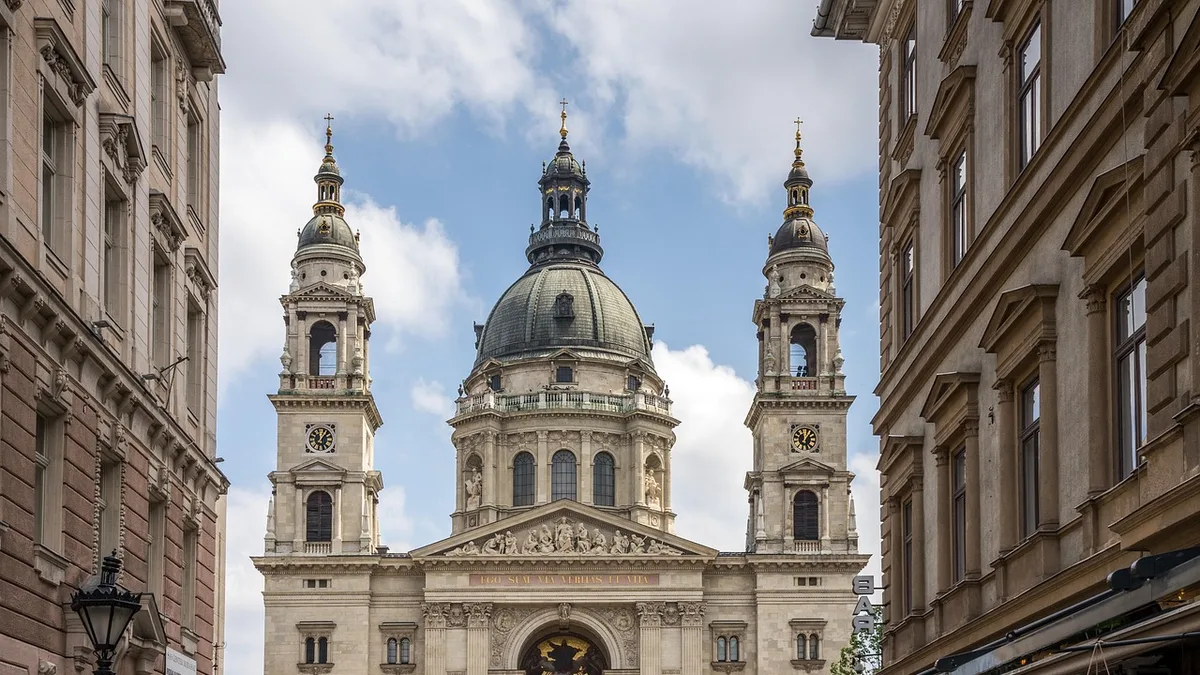
Citizens of European Union member states have had the right to purchase real estate in Hungary on the same terms as Hungarian nationals since Hungary joined the EU in 2004. There is no permit requirement, no minimum residency period, and no cap on the number of properties you can own. Whether you are buying a flat in the 5th district near the Basilica or a townhouse in the Buda Hills, the process is legally identical to what a Hungarian buyer would go through.
EEA nationals — citizens of Norway, Iceland, and Liechtenstein — are treated the same as EU citizens under Hungarian law. Swiss nationals benefit from a bilateral agreement that also removes the permit requirement for residential property.
The only practical difference for EU buyers is administrative: you will need a Hungarian tax identification number (adóazonosító jel) before the purchase contract is signed. This is a straightforward application at the National Tax and Customs Administration (NAV) and takes a few days. Your lawyer handles the rest.
Non-EU nationals: what the permit process involves
Non-EU nationals — including buyers from the United States, the United Kingdom, Canada, Australia, the UAE, China, Russia, and elsewhere — can buy property in Budapest, but the rules depend on the type of property. For apartments and condominiums (the most common purchase type in Budapest), no permit is required. For standalone houses, villas, or any property classified as agricultural land, a permit from the Budapest Metropolitan Government Office (Fővárosi Kormányhivatal) is mandatory before the sale can be completed.
The permit application is submitted through a Hungarian lawyer and typically includes a copy of your passport, the draft purchase contract, and a declaration of intended use. The fee is modest — a few tens of thousands of forints. Processing takes 30–60 days in most cases. Refusals are uncommon for straightforward residential purchases, though the office can decline applications where the buyer cannot demonstrate a legitimate purpose.
One practical workaround used by some non-EU investors is purchasing through a Hungarian limited liability company (Kft.). A legally registered Hungarian Kft. can buy any type of property without the individual permit requirement, and it can also offer tax planning advantages. This route involves additional setup costs and ongoing accounting obligations, but it is a legitimate and widely used structure. See our guide on Hungarian company setup for tax-efficient property ownership for a full breakdown.
What types of property can foreigners buy without restrictions
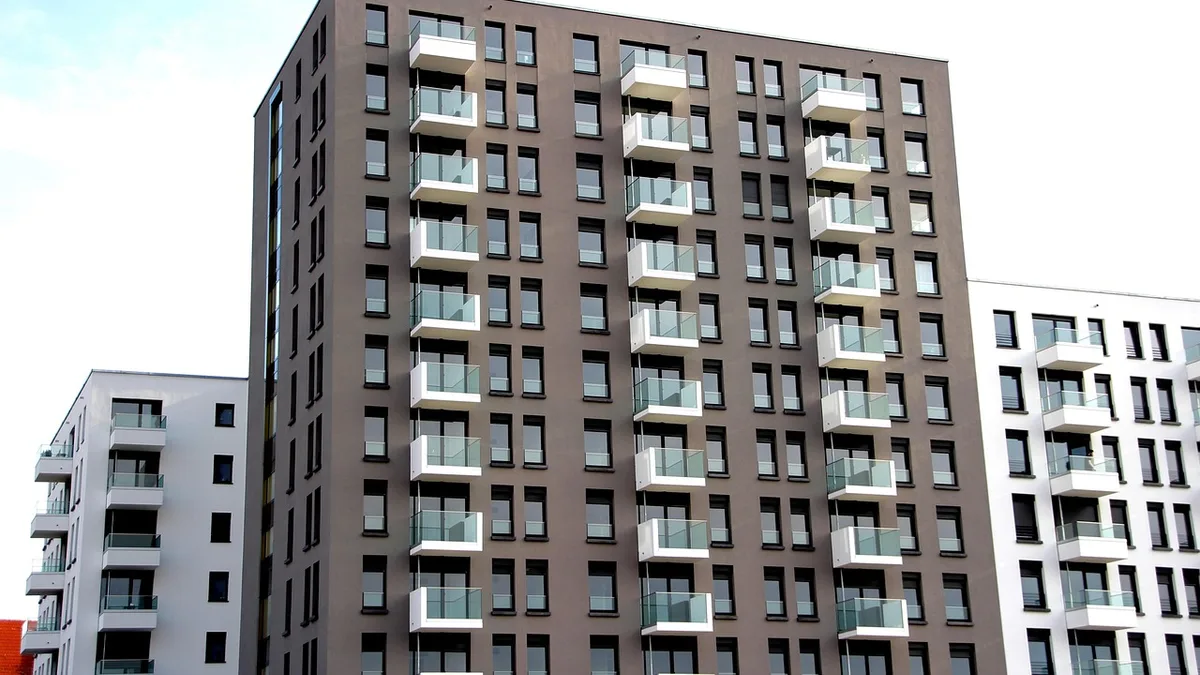
The distinction that matters most in Hungarian property law is between lakás (apartment/flat within a multi-unit building) and ház (standalone house with its own land parcel). All foreign nationals — EU and non-EU alike — can buy apartments in Budapest without any permit. This covers the vast majority of what is actually listed and sold in the city: new-build flats in District 13, renovated period apartments in Districts 5, 6, and 7, and investment units across the inner Pest districts.
Standalone houses on their own land plot are where the permit requirement kicks in for non-EU buyers. Popular residential areas like Zugló (District 14), Budakeszi, and the Buda Hills have many such properties. If you are a non-EU buyer targeting a house rather than a flat, factor the permit timeline into your purchase schedule from the start.
Agricultural land is a separate category with stricter rules. Non-EU nationals generally cannot purchase agricultural land in Hungary at all, even with a permit, unless they hold a permanent residency card. This rarely affects urban Budapest buyers, but it is relevant for anyone looking at properties on the outskirts of the city or in the surrounding Pest County.
The most common purchase type for foreign investors in Budapest — an apartment in a multi-unit building — requires no permit regardless of nationality. The permit requirement applies specifically to houses on individual land parcels and to agricultural land.
Step-by-step purchase process for foreign buyers
The purchase process in Hungary is structured and relatively straightforward once you know the sequence. A Hungarian lawyer (ügyvéd) is legally required to countersign the purchase contract — unlike in some countries, this is not optional. Choosing a lawyer who works regularly with foreign buyers and speaks your language is worth the effort.
- Property search and offer: Identify a property through a licensed agent or the Budapest property listings and agree a price with the seller verbally or in writing.
- Lawyer engagement: Appoint a Hungarian lawyer. They will conduct a title search in the Land Registry (Földhivatal) to confirm ownership, check for mortgages, liens, or easements, and verify the property’s legal status.
- Preliminary contract (előszerződés): A preliminary agreement is signed and a deposit — typically 10% of the purchase price — is paid. This deposit is forfeited if the buyer pulls out without legal cause; the seller must return double if they withdraw.
- Permit application (if required): For non-EU buyers purchasing a house, the lawyer submits the permit application at this stage. The final contract cannot be signed until the permit is granted.
- Final contract and payment: The sale and purchase agreement is signed before the lawyer, the remaining balance is transferred, and the lawyer submits the registration documents to the Land Registry.
- Land Registry registration: Registration of the new owner typically takes 30–90 days. Your ownership is noted immediately as pending, which protects your rights during this period.
- Tax filings: Property transfer tax (vagyonszerzési illeték) must be declared and paid, usually within 30 days of the contract being submitted to the Land Registry.
For a detailed walkthrough of legal protections at each stage, see our safe property purchase legal service.
Costs and taxes every foreign buyer should know
Budgeting accurately means accounting for several costs beyond the purchase price. The table below summarises the main transaction costs for a standard apartment purchase in Budapest.
New-build apartments (those receiving their first occupancy permit after a certain date) have historically benefited from a reduced VAT rate. The applicable rate and any buyer-side VAT reclaim eligibility depend on the specific project and current Hungarian tax law — your lawyer should confirm this before you sign.
Financing: can foreigners get a Hungarian mortgage
Hungarian banks do offer mortgages to foreign nationals, but the criteria are stricter than for Hungarian residents. EU citizens with documented income — whether employed or self-employed — have the most straightforward path. Non-EU nationals without Hungarian residency find it considerably harder to obtain local financing, and many choose to purchase with cash or arrange financing in their home country.
For those who do qualify, Hungarian mortgage rates and loan-to-value ratios are set by the Magyar Nemzeti Bank (MNB) regulations. As a general rule, non-resident buyers can borrow up to 50%–70% of the property’s appraised value, depending on the lender and the buyer’s income documentation. The loan must be denominated in the currency of the buyer’s income, under MNB consumer protection rules, which means most foreign buyers borrow in euros or their home currency rather than forints.
If you are buying as an investment and plan to generate rental income, it is worth reviewing the investment case for Budapest before deciding on your financing structure. Rental yields in well-located inner districts can be meaningful, but they should be modelled net of management costs, taxes, and any mortgage service.
Common mistakes foreign buyers make in Budapest
Most problems in Budapest property transactions are avoidable. The issues that come up repeatedly with foreign buyers tend to fall into a few categories.
- Skipping the title search: Some buyers, particularly those purchasing quickly in a competitive market, are tempted to move straight to contract without a thorough Land Registry check. Encumbrances, undischarged mortgages, and disputed ownership do appear — a title search is non-negotiable.
- Underestimating the permit timeline: Non-EU buyers purchasing a house sometimes sign a preliminary contract with a completion date that does not allow enough time for the permit. Build at least 60 days into your timeline if a permit is required.
- Using a lawyer who does not specialise in real estate: Hungary has many excellent lawyers, but property conveyancing has specific procedural requirements. Use someone who handles property transactions regularly.
- Ignoring the building’s legal status: In older Budapest apartment buildings, individual units sometimes have irregular legal status — for example, a flat that is registered as a storage room or office. Always confirm the property’s designated use (rendeltetés) matches what you are buying.
- Not accounting for the homeowners’ association (társasházi közgyűlés) situation: In multi-unit buildings, the condition of common areas, the building’s reserve fund, and any outstanding renovation decisions affect both your costs and your resale value. Request the last two years of building meeting minutes before committing.
Working with an experienced local agency reduces most of these risks significantly. The Budapest buying guide on this site covers many of these topics in more depth.
Frequently asked questions
- Do EU citizens need any special permission to buy property in Budapest?
- No. EU citizens, EEA nationals, and Swiss nationals can buy any type of residential property in Budapest — apartments, houses, or land — without a permit, on exactly the same terms as Hungarian nationals. The only administrative step is obtaining a Hungarian tax identification number before the contract is signed, which takes a few days.
- How long does the permit process take for non-EU buyers purchasing a house?
- The permit application for non-EU nationals buying a standalone house or land in Budapest is submitted to the Budapest Metropolitan Government Office (Fővárosi Kormányhivatal) by your Hungarian lawyer. Processing typically takes 30–60 days. The preliminary purchase contract is signed before the permit is granted, but the final transfer cannot complete until the permit is issued.
- Can a non-EU national buy an apartment in Budapest without a permit?
- Yes. Non-EU nationals can purchase apartments and flats within multi-unit residential buildings in Budapest without any government permit. The permit requirement applies only to standalone houses on individual land parcels and to agricultural land. Since most Budapest investment purchases involve apartments, the majority of non-EU buyers are not affected by the permit requirement at all.
- Can a foreigner buy Budapest property through a company to avoid restrictions?
- Yes. A legally registered Hungarian limited liability company (Kft.) can purchase any type of property in Hungary without the individual permit requirement that applies to non-EU nationals. This structure also offers certain tax planning possibilities. Setting up a Kft. involves registration costs and ongoing accounting obligations, so it makes most sense for buyers purchasing multiple properties or higher-value assets.
- Is there a property transfer tax for foreign buyers in Budapest?
- Yes, and it applies equally to Hungarian and foreign buyers. The standard property transfer tax (vagyonszerzési illeték) is 4% of the purchase price or the tax authority’s assessed value, whichever is higher. Certain exemptions and reduced rates exist — for example, for new-build apartments or first-time buyers meeting specific criteria — and your lawyer will advise on eligibility.
- Can a foreigner rent out a Budapest apartment after buying it?
- Yes. Foreign owners have the same rental rights as Hungarian owners. Short-term rental (Airbnb-style) is subject to local registration requirements and tax obligations. Long-term residential letting is straightforward. Rental income earned in Hungary is subject to Hungarian income tax, and you may also have reporting obligations in your country of residence depending on your tax treaty situation.
- Do I need to be present in Hungary to complete the purchase?
- Not necessarily. A foreign buyer can grant a power of attorney to their Hungarian lawyer, allowing the lawyer to sign documents and complete the registration process on their behalf. The power of attorney must be notarised and, if signed outside Hungary, apostilled. Many international buyers complete their Budapest purchase remotely after an initial viewing trip.
- What is the minimum property price a foreigner can buy in Budapest?
- There is no legal minimum purchase price for foreign buyers in Budapest. The market sets the floor — studio apartments in outer districts can be found from around HUF 25–35 million, while central District 5 or District 6 apartments typically start considerably higher. There is no investment threshold requirement tied to residency rights for EU buyers, and Hungary’s residency-by-investment programme (if relevant to non-EU buyers) has its own separate criteria.
Sources
- Hungarian Act LV of 1994 on Arable Land (as amended) — Nemzeti Jogszabálytár
- Magyar Nemzeti Bank — Mortgage Lending Rules
- National Tax and Customs Administration (NAV) — Property Transfer Duty
- Hungarian Act CXCVI of 2011 on National Assets — Parliament of Hungary
- Buying property in the EU — European Commission Your Europe portal