


Is Lipótváros a Good Place to Buy Property in Budapest?
Lipótváros, the northern half of Budapest's District V, is one of the strongest places to buy property in the city if your budget can reach it. Apartments near the Parliament, Szabadság tér and Falk Miksa utca indicatively run 4,000 to 6,500 EUR per square meter, above the Budapest average but in line with neighbouring Belváros. It suits buyers aiming for long-term rental to professionals, embassy staff and corporate tenants more than short-stay Airbnb income, since short-term rental rules in Budapest have tightened in recent years and need checking before you commit.
Table of Contents
- Where Is Lipótváros and What Are Its Boundaries
- The Housing Stock in Lipótváros
- Lipótváros Property Prices and Rents
- Who Buys and Who Rents in Lipótváros
- Transport and Amenities
- Pros, Cons and Risks of Buying Here
- Best Streets in Lipótváros and Ones to Watch
- The Verdict: Is Lipótváros a Good Place to Buy Property in Budapest?
- Frequently Asked Questions
Where Is Lipótváros and What Are Its Boundaries
District V in Budapest, officially Belváros-Lipótváros, is split into two halves that feel quite different on the ground. Belváros is the southern half, the old pedestrian shopping core around Váci utca and Vörösmarty tér. Lipótváros is the northern half, built up mainly from the 1870s onward as Budapest's government and finance quarter, and it still reads that way today.
Roughly, Lipótváros runs along the Danube from around Deák Ferenc tér and Szabadság tér northward to Jászai Mari tér and the approach to Margaret Bridge, where it meets District XIII. To the east it fades into District VI (Terézváros) somewhere around Bajcsy-Zsilinszky út and the Nyugati railway station area. The Hungarian Parliament and Kossuth tér sit right on its river edge, with Szent István Basilica a short walk inland.
The Housing Stock in Lipótváros
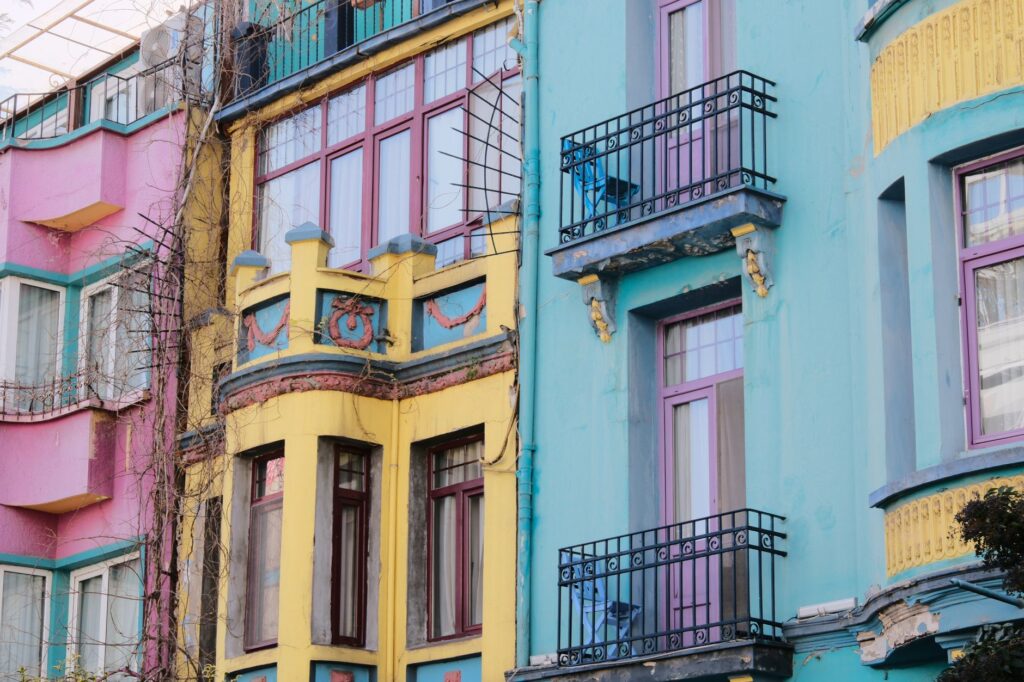
Most of the building stock dates from the late 1800s to the early 1900s, eclectic and neoclassical apartment blocks built around internal courtyards, many originally designed as grand single-family residences later subdivided into flats. A smaller number of buildings around Szabadság tér were built for banks and institutions and have been converted or sit alongside residential blocks of similar age.
Ceiling heights of 3.2 to 3.6 meters are common in the original floors, original flats can run from a modest 40 square meters up to 150 square meters or more where a layout has not been chopped up. Expect parquet floors, double doors, decorative stucco and large street-facing windows in the better units, and plainer, smaller courtyard-facing flats in the same building at a lower price per square meter.
Lifts exist in most but not all buildings, and older cage lifts installed decades after original construction sometimes only serve part of the staircase. New-build stock is scarce here compared with outer districts, because most of Lipótváros sits inside heritage protection and large-scale redevelopment is rare. If a new or heavily renovated building does come up, it tends to be a conversion of an existing shell rather than ground-up construction.
Lipótváros Property Prices and Rents
Prices here sit near the top of the Budapest market, usually second only to parts of Belváros and the Castle District. The figures below are indicative only, pulled together from typical market ranges rather than a single data source, and you should check them against current listings before setting a budget.
| Area | Indicative price per sqm (EUR) | Typical rent, studio or 1-bed | Typical rent, 2-bed |
|---|---|---|---|
| Lipótváros (District V north) | 4,000 to 6,500 | 650 to 950 EUR/month | 950 to 1,400 EUR/month |
| Belváros (District V south) | 4,500 to 7,000 | 700 to 1,000 EUR/month | 1,000 to 1,500 EUR/month |
| District VI, Terézváros | 3,500 to 5,500 | 550 to 800 EUR/month | 800 to 1,200 EUR/month |
| Budapest average | 2,200 to 3,000 | 450 to 650 EUR/month | 650 to 950 EUR/month |
Within Lipótváros itself, flats directly overlooking Szabadság tér or with a Parliament sightline command a clear premium over otherwise identical units two streets back. Floor level, lift access and whether the apartment has been rewired and replumbed also move the price more here than in cheaper districts, since buyers at this price point expect the building to be properly maintained, not just the flat.
Who Buys and Who Rents in Lipótváros
The tenant pool leans corporate and diplomatic. Embassies, ministries and the head offices of banks and law firms cluster in and around Lipótváros, so a meaningful share of renters are professionals on relocation packages, embassy staff or executives who want to walk to work and live somewhere that looks the part. This is a different tenant profile from District VI or VII, which pull in more students and young locals.
Tourist demand for short stays is real too, given the proximity to the Parliament and the river, but Lipótváros has never been a nightlife district the way parts of District VII are, so the area does not attract the stag-party crowd that gives some investors headaches elsewhere in the inner city. Owner-occupiers buying for themselves are usually either well-off Hungarians or foreign buyers who want a base in central Budapest with a quieter, more institutional feel than Belváros.
Transport and Amenities
Metro line M2 stops at Kossuth Lajos tér, right in the middle of Lipótváros, and Deák Ferenc tér at the southern edge puts you on all three metro lines (M1, M2, M3) plus multiple bus and tram connections. Tram 2 runs along the Danube embankment on one of the more scenic tram routes in the city, and trams 4 and 6 run along the Grand Boulevard at the Jászai Mari tér end, close to the District XIII border. Nyugati railway station, also served by M3, sits just at the eastern edge.
Day to day amenities are solid rather than lively: grocery stores, pharmacies, a handful of good but not cheap restaurants, and the antiques dealers along Falk Miksa utca. For bigger shops, bars and the busier restaurant scene, residents walk a few minutes into Belváros or across into District VI.
Pros, Cons and Risks of Buying Here
The case for Lipótváros is location, building quality and tenant stability. The case against is price, and a handful of practical issues worth checking building by building rather than assuming.
- Heating: some buildings run on district heating (távfűtés) with shared billing, others have had individual gas boilers (gázkonvektor) retrofitted flat by flat. The two have very different running costs and different scope for the owner to control, so confirm which system a specific flat has before buying.
- Flood exposure: parts of Lipótváros sit close to the Danube, and the city has historically raised flood alerts here during high water years. Permanent and mobile flood defences along the embankment protect the inner city in normal flood events, but ground floor and basement units near the river are worth asking about specifically.
- Noise: Kossuth tér and the streets right on Szent István körút carry more traffic noise and occasional political gatherings near Parliament. A block or two back, on streets like Hold utca or Zoltán utca, it is noticeably quieter.
- Lift and floor access: a number of original buildings still have partial or no lift coverage to upper floors. This affects both livability and resale, and it is an easy thing to overlook on a viewing if you do not ask directly.
- Short-term rental regulation: Budapest has been tightening the rules on short-term letting in multi-unit residential buildings over the last few years, and restrictions have been phased in at the district and building level rather than applied uniformly overnight. Anyone buying with Airbnb income in mind needs to check the current status for that specific building and district before signing anything, not assume the rules from a few years ago still apply.
The most expensive mistake buyers make in Lipótváros: paying a premium price assuming a flat can run as a short-term rental, then finding out after completion that the building or district no longer permits new short-term licenses. Confirm the current short-term rental status of the specific address with a local lawyer before you factor Airbnb income into your budget, not after.
Best Streets in Lipótváros and Ones to Watch
The streets around Szabadság tér are the most prestigious address in the area, close to the US Embassy and a short walk from the Basilica, and priced accordingly. Falk Miksa utca has real character thanks to its antiques shops and a quieter, more residential feel than the main squares, while Hold utca and Zoltán utca offer good building stock a step down in price from the square itself.
Streets that sit directly on Szent István körút or immediately around Nyugati station are worth more caution: more traffic, more transient foot traffic, and in some buildings more noise through the night than buyers expect from an otherwise central address. None of this makes those streets a bad buy, but the discount versus Szabadság tér should reflect it.
The Verdict: Is Lipótváros a Good Place to Buy Property in Budapest?
Yes, with conditions. Lipótváros works well for buyers who want a long-term hold in one of Budapest's most established central addresses, who can afford prices at the upper end of the market, and who are comfortable renting to professional and diplomatic tenants rather than chasing the highest possible short-term yield. It is less suited to buyers on a tight budget, since the Budapest average sits well below what Lipótváros commands, and less suited to pure Airbnb plays given the current direction of short-term rental policy in the city.
If your priority is yield over prestige, it is worth comparing Lipótváros against our broader guide to investing in Budapest, which covers how different districts trade off price, yield and tenant demand. For a district by district breakdown you can also browse our other Budapest property guides, and current listings in the area are on our all properties page if you want to see today's prices rather than rely on indicative ranges.
Frequently Asked Questions
Is Lipótváros expensive compared to other Budapest districts?
Yes. Lipótváros is among the most expensive residential areas in Budapest, with indicative prices around 4,000 to 6,500 EUR per square meter, well above the citywide average of roughly 2,200 to 3,000 EUR per square meter. Only parts of neighbouring Belváros and the Castle District typically price higher. Always confirm current figures against live listings, as these ranges move with the market.
What is the difference between Lipótváros and Belváros?
Both make up District V, Budapest's historic downtown. Belváros is the southern half, the busier pedestrian shopping and tourist core around Váci utca and Vörösmarty tér. Lipótváros is the northern half, built as the government and banking quarter around the Parliament and Szabadság tér. Lipótváros is generally quieter, more institutional in feel, and attracts more corporate and diplomatic tenants than Belváros.
Can foreigners buy property in Lipótváros?
EU citizens can buy residential property in Hungary, including Lipótváros, without special permission. Non-EU citizens generally need approval from the local government office, which is a standard administrative step rather than a major barrier in practice for most buyers. Requirements and processing can change, so confirm the current procedure with a local lawyer before you make an offer.
Is Lipótváros good for Airbnb or short-term rental?
It can work, but Budapest has tightened short-term rental rules in recent years, with restrictions phased in at the district and building level rather than applied the same way everywhere. Before buying for Airbnb income in Lipótváros, confirm the current short-term rental status of the specific building and address with a local lawyer, since a flat that qualified a few years ago may no longer be eligible for a new license.
What is the rental yield like in Lipótváros?
Long-term rental yields in Lipótváros tend to sit below the Budapest average in percentage terms, because purchase prices are high relative to achievable rents, even though the actual monthly rent in EUR terms is strong. Buyers here are typically trading yield percentage for tenant quality, lower vacancy risk and stronger long-term capital value. Model the numbers on current listing prices and asking rents rather than general district averages.
Is Lipótváros noisy?
It varies street by street. Areas right on Szent István körút, near Nyugati station, or directly on Kossuth tér carry more traffic noise and occasional crowds around Parliament. A block or two back, on streets like Hold utca, Zoltán utca or around Falk Miksa utca, it is noticeably quieter. Ask to view in the evening and on a weekday to get a realistic sense of street noise before buying.
Does Lipótváros flood?
Parts of Lipótváros sit close to the Danube and the city has issued flood alerts in this area during past high water events. Permanent and mobile flood defences along the embankment protect the inner city in typical flood conditions, but buyers looking at ground floor or basement units near the river should ask specifically about flood history and building-level flood protection before committing.
What type of heating do Lipótváros apartments have?
It depends on the building. Some run on district heating (távfűtés) with costs shared across the building, others have individual gas boilers (gázkonvektor) installed flat by flat at some point after original construction. The two systems differ in running cost and in how much control the owner has, so confirm which system is in place for the specific apartment before you factor heating costs into your budget.